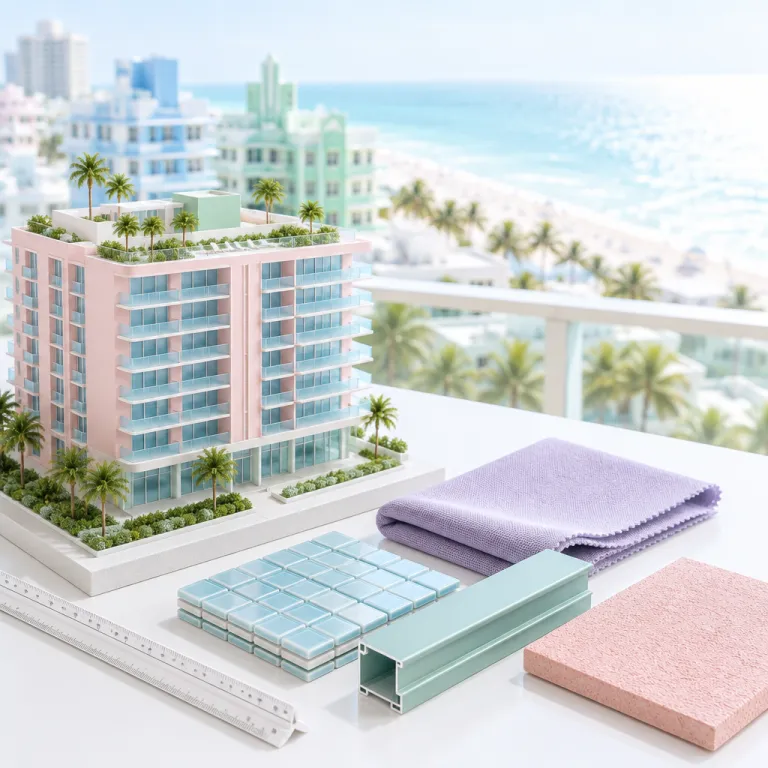
Why Miami Beach real estate market trends matter when you book a room
Miami Beach real estate market trends now shape almost every new oceanfront hotel opening. As land values rise along the beach and the wider Miami real estate landscape tightens, developers design hotels that feel more like long stay homes than traditional resorts, which directly affects what you pay and how you stay. When you compare one house style hotel suite to another condo style room, you are really comparing two different responses to the same real estate market pressures.
On the south end of Miami Beach, where the beach median land price is among the highest in the region, new construction is increasingly vertical, with condo hotel towers stacked above restaurants and wellness spaces. This pattern mirrors what has already happened in Brickell and in the condo market of downtown Miami, where limited land and strong rent potential pushed developers to build taller and lean into mixed use real estate. For you as a guest, that means more sky high pools, more bay view terraces, and more competition on listing price for oceanfront rooms.
North along the bay and oceanfront, from Mid Beach to North Beach, the real estate market data shows a different rhythm, with slightly lower median listing figures and more older condos being repositioned as hotel residences. Owners of these older condos often choose sale or rent strategies that allow hotel brands to manage nightly stays while they keep long term equity in the homes. When you book in these converted homes for rent style properties, you are stepping into the overlap between homes sale dynamics and short stay hospitality, where the same square footage can shift between resident and visitor depending on the season.
South Beach, Brickell and the new luxury oceanfront pipeline
South Beach remains the most recognisable part of Miami Beach, and its real estate market trends still set the tone for luxury hotel development. Oceanfront plots between South Pointe and Collins Park trade at a premium price, which encourages high end brands to create hotels that can command a strong median listing rate per night. This is why you see names like Ritz Carlton and other global flags anchoring prime stretches of sand, often with condo residences stacked above the guest floors and penthouse units priced at thousands of dollars per square foot.
While Brickell is not on the beach, the Brickell real estate market has become a powerful reference point for investors planning new oceanfront hotels in Miami Beach. Brickell’s dense skyline, its condo market performance, and its fast homes sale cycles show how a mixed business and leisure district can support both high sale and rent values. Developers studying Brickell data then apply similar logic to South Beach, designing towers where part of the building is sold as real estate and part is operated as a hotel, which can stabilise returns even when daily rates fluctuate and tourism demand shifts.
For travellers, this means that many South Beach and Brickell linked projects now offer condo style suites with kitchens, generous living areas, and layouts that feel like a house rather than a standard room. These hybrid homes give you the flexibility of a condo with the services of a full scale hotel, from concierge to housekeeping and valet. When you compare options, look at whether the property is a pure hotel or part of a larger real estate market project, because that structure often explains both the nightly price and the level of amenities, from rooftop pools to private beach clubs.
From Mid Beach to North Beach and Bal Harbour: shifting demand corridors
As South Beach land tightens, Miami Beach real estate market trends show a clear push northward along Collins Avenue. Mid Beach, North Beach and the stretch toward Bal Harbour now attract new oceanfront hotel construction because their beach median land values, while high, still sit below the most intense South Beach price points. This northward shift opens more choices for guests who want direct beach access but prefer a calmer atmosphere and slightly softer listing price levels, with more room for family friendly layouts and longer stays.
Bal Harbour has long been associated with ultra luxury homes and high end real estate, and its hotels reflect that heritage with large suites and extensive bay and ocean views. The local real estate market data reveals some of the highest median listing prices per square foot in the region, which translates into elevated nightly rates but also into very high service standards. When you stay in Bal Harbour or nearby Sunny Isles, you are effectively renting into a neighbourhood where homes sale values and condo market performance are among the strongest in South Florida, and where concierge teams are used to serving both residents and hotel guests.
North Beach itself is in a transition phase, with older condos along the bay and oceanfront being renovated or replaced by new mixed use projects. Some of these buildings combine homes for rent, long term residences and hotel keys, which can create a more residential feel for guests and a quieter lobby scene. If you value quieter streets, longer days market for local listings, and a sense of living among real homes rather than pure tourist zones, this part of Miami Beach may suit you better than the south, especially if you enjoy morning walks on less crowded stretches of sand.
How nearby neighbourhoods like Coconut Grove and Coral Gables influence hotel design
Even though Coconut Grove and Coral Gables sit across the bay from Miami Beach, their real estate market stories strongly influence how new oceanfront hotels are conceived. Coconut Grove, often simply called the Grove, has seen a wave of luxury condo construction and waterfront homes sale activity that emphasises lush landscaping, walkability and bay views. Developers planning Miami Beach projects watch this Grove evolution closely, then borrow ideas such as garden courtyards, shaded pools and indoor outdoor lounges for new beachfront hotels, sometimes even recreating the feeling of tree lined streets within large resort sites.
Coral Gables, with its historic house architecture and carefully planned streets, offers another template for blending heritage and modern comfort. The Coral Gables real estate market trends show stable median listing values and relatively balanced days market figures, which appeal to investors seeking long term security rather than quick speculation. When hotel brands design oceanfront properties in Miami Beach, they often reference Gables aesthetics through Mediterranean façades, warm materials and residential scale public spaces that make guests feel as if they are entering a refined private home rather than a generic tower.
Key Biscayne, though smaller, adds yet another layer to this regional picture, with its focus on family friendly homes and low rise condo buildings hugging the bay. The Key Biscayne real estate market, with its limited supply and strong demand, reinforces the idea that guests will pay a premium price for a calm, village like setting near the water. As a result, some new Miami Beach hotels north of South Beach now lean into this Key Biscayne style, offering more spacious suites, quieter pools and amenities that echo real homes rather than high energy nightlife venues, from kids’ clubs to shaded playgrounds.
Practical booking tips: reading hotel prices like a real estate insider
When you look at nightly rates for Miami Beach hotels, you are effectively reading a condensed version of local real estate data. A high listing price for an oceanfront suite often reflects a high underlying land value, a premium construction cost and strong demand in that micro market. By thinking like a Miami real estate observer, you can better judge whether a rate feels aligned with the neighbourhood’s median and with the quality of the building, from lobby finishes to balcony size.
Check how many days on market comparable homes for rent or homes sale listings spend in nearby areas such as South Beach, Bal Harbour, Sunny Isles or even Fort Lauderdale. Shorter days market figures usually signal strong demand, which tends to support higher hotel prices and fewer last minute discounts, especially in peak seasons like winter and major event weeks. Longer days market periods, sometimes seen in older condos or in less central parts of the bay, can indicate more negotiating room or better value for extended stays, particularly if you are flexible on exact location.
It also helps to compare condo market trends with pure hotel offerings, because condo style hotels often need to balance owner expectations for sale and rent income with guest satisfaction. In some cases, a property with many individually owned units may show more variation in room quality than a hotel built as a single house like structure under one operator. Reading guest reviews carefully and noting whether a building is primarily a condo, a hotel or a mixed real estate project will help you align your expectations with the actual real estate market context and avoid surprises at check in.
Beyond the room: lifestyle, dining and long term value
New oceanfront hotels in Miami Beach are no longer just about a bed and a view, they are about creating a lifestyle that competes with owning a house or condo on the sand. Developers know that guests compare the rent they pay for a week with the idea of buying real estate in the same area, especially in aspirational districts like South Beach, Bal Harbour or Sunny Isles. This is why you now see extensive wellness facilities, co working lounges and curated dining scenes built into many new projects, often with programming that mirrors what full time residents enjoy.
Neighbourhoods across the bay, from Coconut Grove to Coral Gables and Key Biscayne, have shown how strong food culture and walkable streets can support both homes sale values and hotel performance. Miami Beach hotels respond by partnering with notable chefs, adding plant based menus and integrating local experiences that make a short stay feel like a test drive of the local lifestyle. If you care about elevated dining, you can even use guides to vegan and plant based restaurants in Miami Beach, such as specialised resources on vegan restaurants in Miami Beach that explain how plant based dining elevates your hotel stay, to choose a property that matches your values and your preferred neighbourhood vibe.
Looking ahead, many analysts expect that Miami real estate and Miami Beach real estate market trends will continue to intertwine hotel development with residential demand, especially as climate resilience and construction standards evolve. Guests who understand how real estate market data, median listing prices and condo market cycles work will be better positioned to spot genuine value, whether in a classic oceanfront hotel or a new mixed use tower. When you next compare options from South Beach to North Beach and even up toward Fort Lauderdale, think not only about tonight’s rate but also about the long term story that each building tells about the bay and the broader real estate market.
Key figures shaping Miami Beach hotel and real estate dynamics
- According to the Miami Association of Realtors, Miami Beach and the broader Miami real estate area have recorded some of the highest median listing prices per square foot in Florida in recent years, which directly influences the nightly price of oceanfront hotel rooms in prime locations.
- Regional data from the Miami Association of Realtors shows that luxury condo market inventory in coastal areas such as Miami Beach, Sunny Isles and Bal Harbour often moves faster than inland stock, with shorter days on market that support higher hotel and rent levels along the beach.
- Reports from the Miami Downtown Development Authority indicate that Brickell and nearby bay front districts have seen sustained construction activity, with new condo and mixed use projects that serve as models for similar real estate market developments on the Miami Beach shoreline.
- Market analyses comparing Miami Beach with Fort Lauderdale suggest that while Fort Lauderdale sometimes offers lower beach median land costs, Miami Beach maintains stronger international demand, which helps sustain higher median listing prices for both homes sale and hotel assets.
FAQ: Miami Beach real estate market trends and your hotel choice
How do Miami Beach real estate prices affect hotel rates ?
Hotel rates in Miami Beach closely track local real estate values, because high land and construction costs must be recouped through nightly revenue. Areas with higher median listing prices for condos and homes, such as South Beach and Bal Harbour, usually show higher average room rates. Neighbourhoods with more older condos or longer days market figures can sometimes offer better value, especially for longer stays and shoulder seasons.
Is it cheaper to stay in North Beach or South Beach ?
South Beach generally commands higher prices because of its global profile, limited oceanfront land and strong demand for nightlife and dining. North Beach and Mid Beach often provide slightly lower average rates while still offering direct beach access and bay views. Travellers who prioritise space and calm over being in the centre of the action may find North Beach hotels more aligned with their budget and their preferred pace.
What is the impact of condo hotels on guest experience ?
Condo hotels, where individual units are sold as real estate and then placed into a rental programme, can offer larger, more residential style spaces than traditional hotel rooms. However, quality can vary between units, especially in older condos that have been converted, so reading recent reviews is essential. Guests who value kitchens, living rooms and a house like feel often appreciate these properties, particularly for family trips or extended stays where extra space matters.
Are nearby areas like Coconut Grove and Coral Gables relevant when choosing a Miami Beach hotel ?
Yes, because real estate market trends in Coconut Grove, Coral Gables and Brickell influence investor expectations and design choices for new Miami Beach hotels. These neighbourhoods showcase successful blends of residential comfort, bay access and urban amenities that developers then adapt to the beachfront context. Understanding how these areas evolve can help you interpret why certain Miami Beach hotels emphasise gardens, wellness or family friendly layouts.
Should I consider Fort Lauderdale instead of Miami Beach for oceanfront stays ?
Fort Lauderdale often offers more moderate beach median land costs and slightly lower average hotel rates, which can appeal to value focused travellers. Miami Beach, however, delivers a denser mix of luxury hotels, dining and nightlife, supported by stronger international demand and higher real estate values. Your choice should depend on whether you prioritise budget and space or proximity to Miami’s most dynamic beach and bay districts.