How America’s national parks offer unique experiences during winter for visitors who love Miami Beach
Families planning a Miami Beach hotel stay often also look at how America’s national parks offer unique experiences during winter for visitors who crave contrast. While Miami Beach stays warm, each northern park offers a snow covered escape that pairs beautifully with a sun focused holiday. This contrast lets you balance coastal relaxation with crisp winter activities in the same country.
When you read about a national park such as Yellowstone or Glacier National, you quickly see how different the weather feels from South Florida’s mild shoreline. Many travellers now plan a two part trip, enjoying Miami Beach first and then flying to a national park where parks winter conditions turn forests and canyons into a quiet winter wonderland. This style of itinerary works especially well for families who want both calm beach days and structured outdoor activities like winter hiking or cross country skiing.
For parents, the key is to plan around school breaks and winter months when both Miami Beach and the national parks offer good value and manageable crowds. You might visit Miami Beach for four nights, then add three nights near a national park that offers easy access to wildlife viewing and frozen lakes. This way, children experience the playful side of the ocean and the educational side of a national landscape in one carefully designed journey.
Designing a family friendly Miami Beach base with a national park twist
Choosing the right Miami Beach hotel becomes easier when you think about how America’s national parks offer unique experiences during winter for visitors who value nature. A family suite with a balcony and partial ocean view offers space to unwind after long travel days between parks and the coast. Look for properties that provide early breakfast, late checkout and luggage storage, because these details matter when you are also visiting national destinations before or after your beach stay.
Families who love the idea of a winter wonderland in a national park can use Miami Beach as the warm anchor of their holiday. You might schedule your national park segment first, enjoying snow covered trails, gentle country skiing routes and guided wildlife viewing, then fly into Miami Beach for pool time and calm seas. This order works well with children, because the more demanding winter hiking and cross country excursions happen before the relaxed beach days.
When planning with younger children, study the weather patterns for both Miami Beach and your chosen national parks during winter months. Some parks winter operations, managed by the National Park Service, limit road access, so you must read official updates before you plan flights and hotel nights. For a detailed coastal itinerary that fits neatly around a national park visit, use a resource such as this elegant three day Miami Beach with kids itinerary to structure your family time by the ocean.
Balancing beach play with national park style learning for children
Parents often ask how America’s national parks offer unique experiences during winter for visitors while still keeping children engaged after they arrive in Miami Beach. The answer lies in weaving national park themes into your coastal days, turning simple beach time into a gentle extension of what they saw among canyons, lakes and wildlife. When children connect the Atlantic waves with the rivers they saw in a national park, the whole country feels more understandable and memorable.
After a stay near Yellowstone National or Glacier National, for example, you can use Miami Beach mornings to talk about how snow becomes river water that eventually reaches the sea. Build sand versions of the Grand Canyon or Big Bend canyons, then ask children to explain how snow covered peaks feed frozen lakes and then flowing streams. This playful repetition helps them remember why visiting national landscapes during winter months offers such a powerful educational experience.
Evening walks along the Miami Beach boardwalk can become informal lessons about wildlife viewing and habitat protection. Compare the seabirds you see here with the wildlife you might have spotted in Yellowstone, Death Valley or a different national park, and explain how the Park Service protects each environment. For more structured planning ideas that combine festive coastal stays with educational themes, consult a guide such as this refined Miami Beach family hotel guide for festive stays.
When to pair Miami Beach with winter national parks for the best family value
Timing matters when you want to enjoy how America’s national parks offer unique experiences during winter for visitors while still securing a refined Miami Beach hotel. During winter months, Miami Beach enjoys warm weather and calm seas, while many national parks offer quieter trails, snow covered scenery and fewer visitors. This contrast lets you choose whether to start with the cool air of a national park or the soft warmth of the Atlantic coast.
Families who prioritise skiing, cross country routes and winter hiking usually schedule their national park segment around peak snow conditions. Yellowstone, Glacier National and some areas of the Grand Canyon region offer guided snowshoe walks, cross country skiing tracks and ranger led wildlife viewing that feel very different from summer activities. After several days in this winter wonderland, children often appreciate the gentle shift to pool games and shallow ocean swims in Miami Beach.
If your children are younger or less experienced with cold weather, you might keep the national park portion shorter and focus on scenic drives and easy walks. Parks winter operations in places such as Death Valley or Big Bend offer milder temperatures, so you can still visit a national park during winter without deep snow. Once you return to Miami Beach, choose a hotel with heated pools and shaded play areas, so the transition from frozen lakes to warm sand feels comfortable and reassuring.
Choosing Miami Beach hotels that echo national park calm
Some Miami Beach hotels feel almost like coastal equivalents of quiet national parks, which is ideal when you value how America’s national parks offer unique experiences during winter for visitors seeking tranquillity. Look for properties with generous gardens, direct beach access and thoughtful family services rather than loud nightlife. These details create a calm base where children can rest after long flights from a national park gateway city.
When you read hotel descriptions, pay attention to how they describe family activities and quiet hours. A property that offers early evening kids’ clubs, calm pools and direct access to a wide stretch of sand will better match the peaceful mood you enjoyed while visiting national landscapes. This kind of environment lets you talk with your children about Yellowstone geysers, Grand Canyon cliffs or Big Bend desert skies without competing with loud music.
Parents who value wellness can also align their Miami Beach stay with the restorative feeling they experienced in a snow covered forest or beside frozen lakes. Consider properties with strong spa and wellness programmes, then use a resource such as this guide to spa and wellness stays in Miami Beach to refine your shortlist. This approach keeps the same sense of care you felt from the Park Service rangers, who manage trails, wildlife viewing rules and safety briefings in every national park.
Practical planning: flights, packing and family logistics
To make the most of how America’s national parks offer unique experiences during winter for visitors, you need a clear plan that also respects your Miami Beach schedule. Start by mapping your flights between your home, the nearest airport to your chosen national park and Miami International Airport. This sequence helps you avoid unnecessary backtracking and gives you more time either in the parks or on the beach.
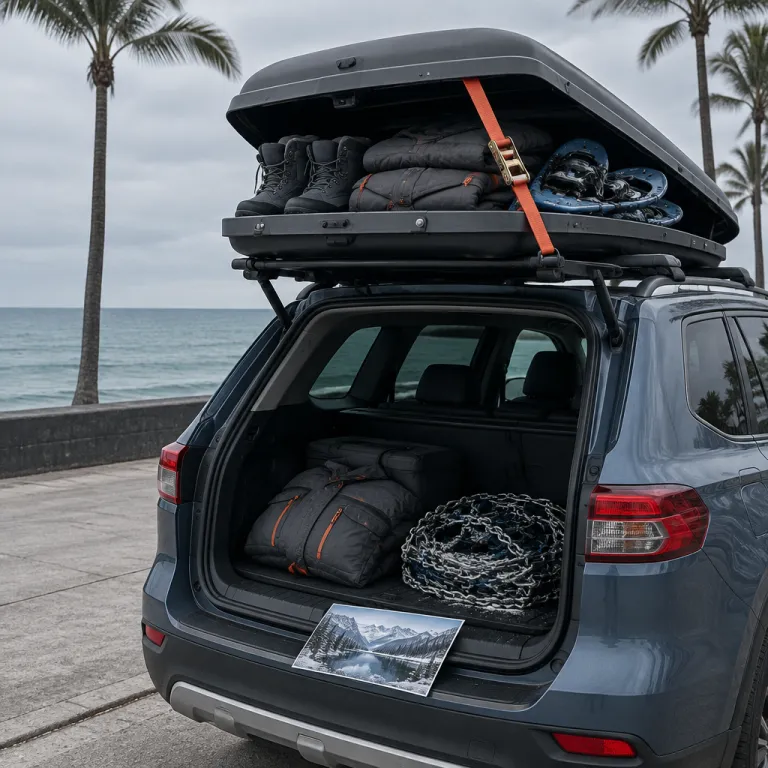
Packing for both snow covered trails and warm sand requires careful thought, especially with children. Use lightweight layers for the national park portion, including waterproof outerwear for winter hiking, cross country skiing or gentle country skiing routes, then pack breathable clothing for Miami Beach. Many families now pack one shared bag for cold weather gear, which they use in Yellowstone National, Glacier National or similar parks, and a separate bag for coastal clothing that stays ready for the beach.
When you visit both environments during winter months, talk with your children about how different weather patterns shape each landscape. Explain how America National Park Service teams manage road closures, wildlife viewing rules and safety advice during winter, while Miami Beach lifeguards focus on currents, sun exposure and marine life. This comparison helps children understand that every park, beach and canyon they visit operates under careful professional guidance designed to protect both visitors and fragile ecosystems.
Why this contrast rich itinerary resonates with modern families
Families who combine Miami Beach with national parks during winter often say the contrast changes how their children see the country. They remember the feeling of soft sand underfoot, then recall the crunch of snow covered trails in a national park where the air felt crisp and still. This sensory mix makes the holiday feel longer, richer and more meaningful than a single destination stay.
When you reflect on how America’s national parks offer unique experiences during winter for visitors, you realise that these parks offer more than scenery. Yellowstone, Grand Canyon, Death Valley, Big Bend and Glacier National each offer a different lesson about geology, wildlife and climate, while Miami Beach teaches children about coastal ecosystems and human culture. By moving between frozen lakes and warm waves, your family experiences the full range of what this country offers in a single carefully planned journey.
Parents who value education often repeat this pattern, visiting national parks in different regions during winter months and returning to Miami Beach or another coastal city afterward. Over time, children build a mental map of canyons, lakes, deserts and oceans, all linked by shared memories of family hotels, airport transfers and evening walks. That is the quiet power of pairing a refined Miami Beach stay with the depth and calm of visiting national landscapes during winter.
Key figures on family travel, Miami Beach and national parks
- The National Park Service reports that more than 300 million recreational visits occur across all national parks in the United States in a typical year, with a growing share taking place during winter months as travellers seek quieter experiences compared with peak summer.
- Yellowstone National Park regularly records several hundred thousand visits during the colder season, even though many roads close to private vehicles, which shows how strongly visitors value guided snow coach tours, cross country skiing and winter wildlife viewing.
- Grand Canyon National Park receives several million visitors annually, yet winter visitation remains significantly lower than summer, giving families who travel during winter a better chance of finding uncrowded viewpoints and more flexible lodging options near the rim.
- Miami International Airport handles more than 45 million passengers per year according to airport authority data, which makes it one of the main gateways for travellers who combine Miami Beach hotel stays with trips to national parks in other regions.
- Travel industry surveys indicate that family travel now represents roughly one third of all leisure trips booked globally, and a rising proportion of these families report combining nature focused destinations such as national parks with urban or beach stays in a single itinerary.
FAQ about combining Miami Beach stays with winter national park trips
Is it realistic to visit a national park and Miami Beach in one trip with children ?
Yes, it is realistic if you keep the itinerary focused and limit the number of destinations. Many families choose one national park with good winter access, such as Yellowstone, Grand Canyon or a milder park like Death Valley, then add three to five nights in Miami Beach for rest and beach time.
Which national parks work best during winter for families who also want beach time ?
Parks with strong winter operations and clear road access work best, including Yellowstone National, Grand Canyon, Glacier National and Big Bend, along with lower elevation options such as Death Valley. These parks offer guided activities, maintained trails and ranger programmes that make winter visits more manageable for families.
How should we pack if we are going from snow to Miami Beach sand ?
Use a layering system for the national park portion, including thermal base layers, insulating mid layers and waterproof outerwear, then pack lightweight clothing, swimsuits and sun protection for Miami Beach. Many families dedicate one shared suitcase to cold weather gear and another to warm weather items to keep packing organised.
Will children find winter national parks too cold or tiring after a long flight ?
Children usually adapt well if you schedule a gentle first day with short walks and plenty of breaks. Choosing family friendly activities such as ranger led wildlife viewing, easy snowshoe routes or scenic drives helps them enjoy the snow without excessive fatigue before you continue to Miami Beach.
Is it better to start with the national park or with Miami Beach ?
Starting with the national park works well if you want to complete the more demanding part of the trip first, then relax in Miami Beach afterward. Families who worry about jet lag sometimes reverse the order, using a few calm beach days to adjust before flying to colder weather and higher elevations.