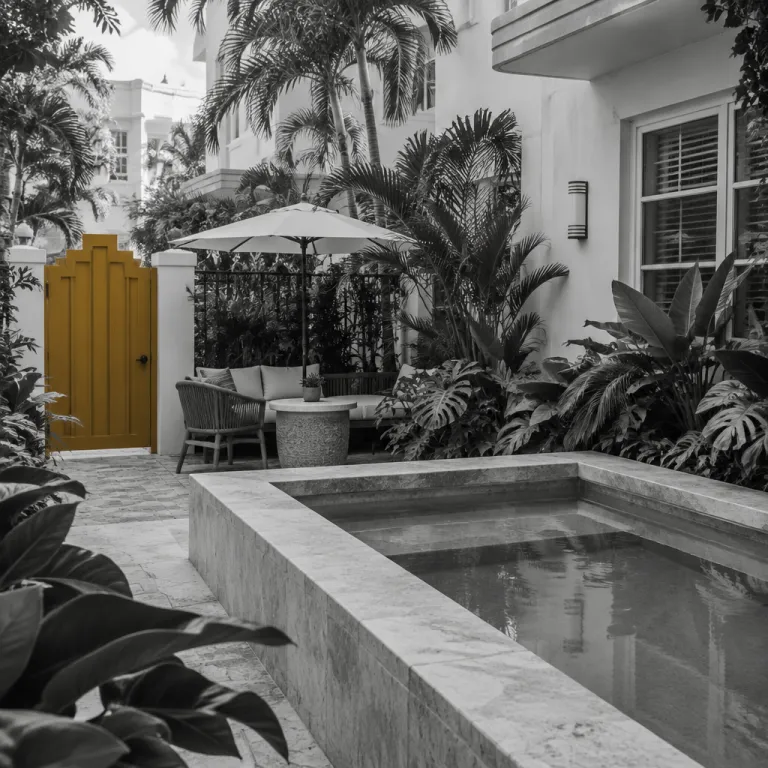
Why Miami Beach, not hot springs in Vermont, for your next stay
Travelers who dream about hot springs in Vermont often imagine steaming pools in forested hills. In reality, the United States Geological Survey and the Vermont Department of Environmental Conservation confirm that Vermont has no true natural hot springs with water temperatures at or above 37 °C, so expectations of a classic hot spring resort experience there are misplaced. If you love the idea of a healing retreat yet want real warmth, Miami Beach offers oceanfront hotels and hidden stays off Collins Avenue where the climate itself feels like a natural hot spa.
USGS surveys of the state show that most Vermont mineral springs emerge at around 7 °C, which feels cold even in summer and is closer to a mountain lake than a hot spring pool. One boiling spring feature is listed in federal data as the Clarendon Springs–“boiling” seep in the USGS National Hydrography Dataset, but it is not a developed hot springs resort with tubs, services, or family friendly facilities that travelers usually expect when they search for hot springs in Vermont. Choosing Miami Beach instead lets you pair curated spa services, warm pools, and year round swimming with a vibrant city that understands hospitality at scale.
The Vermont Department of Environmental Conservation notes that visitors should not expect genuine hot springs in the state and should always test or treat any spring water before drinking, which underlines how limited the wellness infrastructure is around each mineral spring there. Miami Beach hotels, especially the quieter properties west of Collins Avenue, are built around controlled water experiences, from private hot tub terraces to mineral inspired spa rituals that echo the idea of a hot spring without pretending to be one. If you are coming from Vermont or planning a two stop trip that contrasts cool springs with hot coastal air, Miami Beach becomes the logical second chapter of your journey.
Understanding the reality of springs and wellness in Vermont
Many travelers arrive in Vermont expecting a network of natural hot springs, yet the state’s geology does not support that fantasy. The Vermont Geological Survey, working with USGS, has catalogued numerous mineral springs, but these springs are cool groundwater seeps rather than hot pools, and they were historically valued more for drinking than soaking. When you read that “Do not expect genuine hot springs in Vermont.” and “Visit mineral springs for wellness not heat.” and “Always test or treat spring water before drinking.” in Vermont DEC groundwater guidance, you are seeing the official messaging that shapes responsible travel planning.
These mineral spring sites are scattered from Bennington to Alburgh and Barre, often near a state park, a river, or a lake, and they rarely resemble a modern spa resort with hot tubs and curated services. Temperatures around 7 °C mean that even in late summer the water feels bracing, so any healing effect comes from minerals, ritual, and scenery rather than from a hot springs pool. If your priority is a warm hot tub, a family friendly pool, or a clothing optional thermal area similar to some California hot springs, Vermont will not meet that specific expectation.
Instead, think of Vermont’s springs as a cool counterpart to the hot experiences you can book elsewhere, such as a Miami Beach hotel with a heated rooftop pool or a carefully designed spa circuit. You might enjoy a morning visit to a Vermont mineral spring or sand springs style cold plunge, then fly south for a long weekend where the ocean breeze replaces the imagined steam of hot springs in Vermont. For travelers who want to maximize free experiences around both destinations, it helps to study guides on how to choose a hotel that maximizes free things to do in Miami Beach before committing to any property.
Hidden-gem Miami Beach stays off Collins Avenue for wellness seekers
Once you accept that hot springs in Vermont are not truly hot, the question becomes where to find that same sense of retreat with actual warmth. In Miami Beach, the quieter streets west of Collins Avenue hide small, design forward hotels and renovated Art Deco properties that focus on spa services, tranquil pools, and a more private atmosphere than the oceanfront strip. These hidden gems suit travelers who like the idea of a mineral spring resort but prefer a controlled, comfortable environment with year round access to heated water.
Look for properties that advertise a courtyard pool rather than a massive beachfront complex, because these often feel like urban springs pools where the water temperature is carefully maintained. Some have hot tubs tucked behind tropical landscaping, creating a hot spring inspired corner where you can soak after a day in South Beach without the crowds of a large resort. A couple from Burlington, for example, chose a small off Collins Avenue hotel with a 24 hour heated plunge pool and reported that late night swims there felt closer to a private hot spring than anything they had found in Vermont.
Families who once considered a family friendly hot spring resort in Vermont often find that a Miami Beach stay with a shallow pool, attentive lifeguards, and easy access to a nearby park delivers a safer and warmer experience. Couples who imagined a private hot spring tub in the woods can instead reserve a suite with a private terrace hot tub, gaining both privacy and reliable water quality. One solo traveler who had researched Vermont springs ended up at a boutique Miami Beach property with a small rooftop spa pool and described the sunrise soak there as “the hot springs trip I wanted, just with palm trees instead of pines.” These stays do not pretend to be natural springs, yet they borrow the best ideas from hot springs culture and translate them into an urban coastal setting.
How Miami Beach hotels recreate the feel of hot springs experiences
Wellness focused hotels in Miami Beach have learned to evoke the mood of hot springs in Vermont and other destinations without claiming any geothermal magic. Many properties integrate hydrotherapy circuits with alternating hot and cold tubs, steam rooms, and saunas, echoing the contrast you might feel when moving between a cool Vermont spring and a heated spa pool. This approach gives you the sensory drama of a hot spring visit while keeping everything under professional supervision.
Some hotel spas use mineral inspired treatments that reference the tradition of drinking and bathing in mineral springs, even though the water itself comes from municipal supplies rather than a natural hot spring. You might book a package that includes a soak in a hot tub, a mineral salt scrub, and a massage, creating a healing narrative similar to what travelers seek at famous springs in California or at a clothing optional california hot springs resort. The difference is that in Miami Beach the focus is on comfort, privacy, and tailored services rather than on rustic pools in a remote state park.
Rooftop pools off Collins Avenue often feel like elevated lakes, with a sweeping view of the city and the Atlantic that rivals the scenic drama of a Vermont lake surrounded by hills. For a curated list of properties with the best skyline and ocean views, consult specialist resources on elevated coastal escapes in Miami Beach hotels with skyline worthy views, which highlight stays where the pool becomes the central wellness feature. When you float in a warm pool at sunset, the absence of natural hot springs in Vermont stops mattering, because the emotional effect is remarkably similar.
Comparing Vermont’s cool springs with Miami Beach’s warm water culture
From a geological perspective, Vermont and Miami Beach sit at opposite ends of the water experience spectrum. Vermont’s springs are shaped by groundwater moving through bedrock with a modest geothermal gradient, which is why measurements taken in modern surveys rarely exceed cool lake like temperatures. Miami Beach, by contrast, builds its wellness culture around the Atlantic Ocean, heated pools, and hot tubs that can operate year round regardless of air temperature.
When you visit a Vermont mineral spring, you are engaging with a landscape where the water’s value lies in its mineral content and historical reputation rather than in any hot springs sensation. You might fill a bottle, taste the distinct flavor, and then move on to a nearby state park for hiking, never encountering a developed hot spring resort with springs pools or spa tubs. In Miami Beach, the same traveler can spend an afternoon rotating between a hot tub, a shaded pool lounger, and a spa treatment room, all within a single property that understands hospitality as a complete service ecosystem.
Families often find that Vermont’s cool springs are better suited to brief visits, while Miami Beach’s pools and hot tubs support long, relaxed days that feel closer to the hot spring vacations they originally imagined. Couples who value privacy can choose Miami Beach rooms with private plunge pools or terraces, achieving the secluded feeling of a hidden hot spring without the unpredictability of wild springs. For many guests, this contrast turns a Miami Beach stay into the warm counterpart to earlier travels through Vermont’s cooler landscapes.
Practical booking tips for Miami Beach guests inspired by hot springs travel
When you start from an interest in hot springs in Vermont, you are already thinking about water, wellness, and atmosphere, which are excellent filters for choosing a Miami Beach hotel. Begin by listing the water features that matter most to you, such as a heated pool, a quiet hot tub, or access to a spa with hydrotherapy tubs that mimic a hot spring circuit. Then focus your search on hidden gem properties off Collins Avenue, where the ambience is calmer and the emphasis often shifts from nightlife to restorative stays.
Check whether the hotel’s pool is genuinely heated year round, because some smaller properties rely on ambient warmth and may feel cool during shoulder seasons. Ask if the spa offers mineral themed treatments or private soaking tubs, which can recreate the ritual of visiting a mineral spring even without natural hot springs on site. If you travel with children, confirm that the pool area is truly family friendly, with clear depth markings, shade, and nearby restrooms, since these details often matter more than the size of the pool itself.
Travelers who once considered a rustic hot spring resort in a remote state park often appreciate the safety and convenience of Miami Beach, where lifeguards, clear signage, and professional maintenance are standard. Those who dreamed of clothing optional springs in California or remote springs in California hot regions can instead prioritize privacy by booking suites with secluded terraces, deep tubs, or limited access pools. By aligning your booking criteria with the feelings you sought from hot springs travel rather than the literal geology of Vermont, you will choose a Miami Beach stay that genuinely matches your expectations.
Key figures about springs, temperatures, and wellness travel
- USGS and NOAA thermal spring data, including the USGS National Hydrography Dataset and NOAA national thermal springs listings, list zero natural thermal springs at or above 37 °C in Vermont, which means there are no confirmed natural hot springs in the state despite common assumptions among wellness travelers.
- Typical Vermont mineral spring temperatures cluster around 7 °C according to federal and state geological surveys, including Vermont Geological Survey groundwater reports, so the water feels closer to a cold lake than to a hot springs pool suitable for soaking.
- Modern geothermal well studies in Vermont show normal continental heat flow rather than the elevated gradients found near active volcanic regions, explaining why the state lacks the conditions that create hot springs resorts like those in parts of California.
- Miami Beach sea surface temperatures often range between roughly 22 °C and 30 °C across the year, based on NOAA coastal water temperature summaries, which allows hotels to maintain comfortable outdoor pools and hot tubs with relatively modest additional heating.
- Historical resort records from Vermont, summarized in Vermont Geological Survey bulletins on mineral springs, indicate that many sites were promoted for drinking and light bathing rather than as hot spring destinations, while contemporary Miami Beach hotels market full spa services and hydrotherapy facilities as core amenities.
FAQ about Vermont springs and Miami Beach hotel choices
Are there any true natural hot springs in Vermont?
No true natural hot springs have been confirmed in Vermont, because geological surveys show that all known springs emerge at temperatures far below the 37 °C threshold usually used to define a hot spring. Visitors will find cool mineral springs and one boiling spring feature listed in federal databases, but none function as developed hot springs resorts.
What kind of springs does Vermont actually have?
Vermont has numerous mineral springs where groundwater picks up dissolved minerals as it moves through bedrock, then emerges at the surface at cool temperatures. These springs were historically used for drinking and modest wellness rituals rather than for soaking in hot pools, so they do not resemble the hot springs resorts many travelers imagine.
Why does Vermont lack hot springs while other states have them?
Vermont sits far from active plate boundaries and major volcanic zones, so its geothermal gradient is relatively modest and does not heat groundwater to hot spring temperatures. States with famous hot springs, such as California, often lie near tectonic boundaries or volcanic fields that provide the extra heat needed to create naturally hot pools.
How can Miami Beach replicate the feel of a hot springs vacation?
Miami Beach hotels use heated pools, hot tubs, and spa hydrotherapy circuits to recreate the sensory experience of moving between different water temperatures, which is central to many hot springs traditions. When combined with mineral inspired treatments and private soaking areas, these facilities can deliver a wellness experience similar in mood to a hot spring visit, even without geothermal water.
What should I prioritize when booking a Miami Beach hotel as a wellness traveler?
Focus on properties that offer heated pools, quiet hot tubs, and well reviewed spa services, especially among the hidden gems off Collins Avenue where the atmosphere is calmer. Check whether facilities operate year round, confirm any family friendly or adults only policies, and consider rooms with private terraces or tubs if you value privacy as much as water based relaxation.
References
- United States Geological Survey (USGS) – National Hydrography Dataset and thermal and mineral springs data for Vermont, including the Clarendon Springs “boiling” feature
- Vermont Department of Environmental Conservation – groundwater and spring resource management information, including guidance on mineral springs and drinking water safety
- National Oceanic and Atmospheric Administration (NOAA) – national thermal springs listings, coastal sea surface temperature summaries, and temperature thresholds for classifying thermal waters