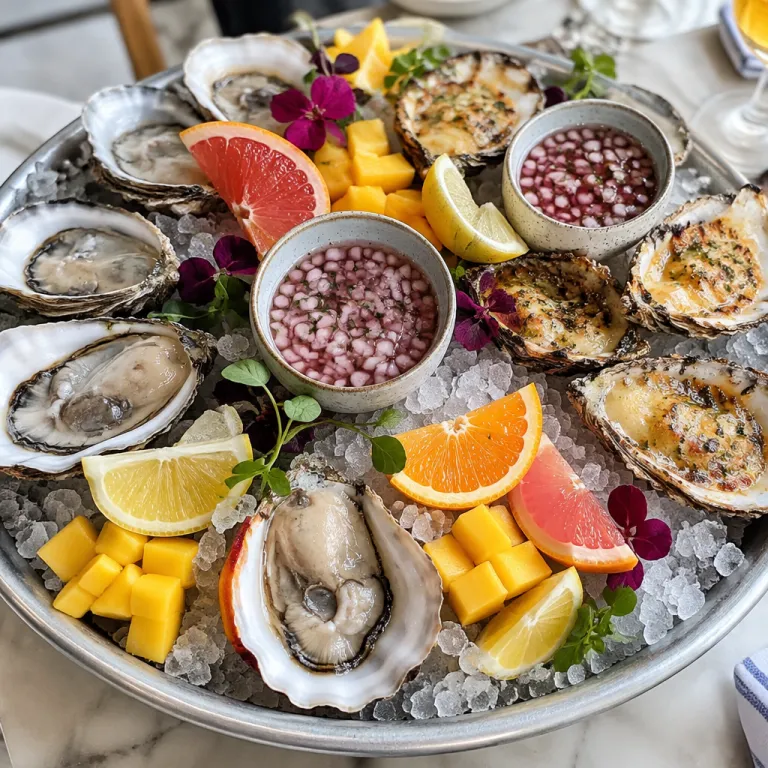
Why Miami Beach food lovers care about the Charleston oyster festival
Miami Beach travellers who plan their stay around food events often look north to the Charleston oyster festival for inspiration. This celebrated Lowcountry oyster event in Charleston, South Carolina, shows how a coastal city can turn oysters, wine and live music into a destination-defining celebration that shapes where visitors sleep, eat and spend. When you choose a hotel in Miami Beach, understanding how this festival at Boone Hall Plantation & Gardens works helps you evaluate which properties truly respect local seafood traditions and treat food events as more than background entertainment.
The Charleston Restaurant Foundation oversees the oyster festival and uses the event to fund charities, while Boone Hall Plantation in Mount Pleasant provides the historic plantation gardens setting. That partnership between a strong restaurant foundation and an iconic South Carolina venue such as Boone Hall shows how hospitality and gastronomy can share one coherent story that attracts guests who care about both comfort and culture. In Miami Beach, you can apply the same lens and ask whether a hotel partners with serious restaurant groups, supports coastal food events or collaborates with chefs who treat seafood with the same respect as a Lowcountry oyster served on the half shell.
During the oyster festival at Boone Hall, visitors buy tickets for general entry or VIP access, then move between oyster eating contests, oyster shucking demonstrations and relaxed wine tastings. The event usually runs as a one-day celebration in February, which turns that month into a pilgrimage moment for oyster lovers from across South Carolina and beyond. When you plan a Miami Beach stay in February, you can mirror that rhythm by choosing hotels that build their calendar around seasonal food events, chef pop-ups and coastal seafood specials rather than generic entertainment that ignores regional flavours.
Choosing a Miami Beach hotel through a festival minded lens
Guests who admire the Charleston oyster festival tend to value hotels that behave like thoughtful hosts of an event, not just providers of rooms. In Charleston, the organisers treat every visitor as if they were entering a gracious coastal home at Boone Hall Plantation, moving from the plantation gardens to the main food hall with ease and comfort. You can look for the same sense of welcome in Miami Beach by checking whether a property offers curated food events, chef meet-and-greets or guided tastings that echo the convivial spirit of a Lowcountry oyster celebration under the oaks.
Think about how you would buy tickets for a major festival and apply that discipline to your hotel search. Before you commit, read the menus, study the bar programme and spend time reading guest reviews that mention seafood quality, wine lists and service at the on-site restaurant. A strong Miami Beach hotel for food-focused travellers should feel as carefully planned as the Lowcountry oyster celebration at Boone Hall Plantation & Gardens, where every detail from oyster knives to shell recycling is considered before the first guests arrive, and where each food station feels intentional rather than improvised.
Happy hour can be a powerful filter when you compare properties, much like choosing between different food events at a coastal festival. Use guides such as how to use Miami Beach happy hour deals to choose the right hotel to identify places that treat drinks and small plates with the same care that Charleston restaurant teams bring to oysters on the half shell. Hotels that design thoughtful happy hour lineups often show the same attention to detail in breakfast service, poolside snacks and late-night room service, which matters if you travel specifically to eat and drink well during every part of the day.
From Lowcountry oyster culture to Miami Beach seafood bars
The Charleston oyster festival exists to celebrate Lowcountry traditions, yet its lessons travel easily to Miami Beach raw bars and hotel restaurants. At Boone Hall Plantation, chefs and volunteers serve large quantities of oysters during the event, ranging from simple steamed trays to platters of oysters on the half shell paired with crisp white wine. When you evaluate Miami Beach hotels, prioritise those whose restaurants show similar respect for provenance, whether they highlight Florida east coast oysters, local snapper or responsibly sourced shrimp that reflects Atlantic and Caribbean waters.
In Mount Pleasant, the oyster stations stretch across the lawns of the plantation gardens, and guests wander between food tents, wine stands and live music stages. That relaxed but curated layout mirrors what you should seek in a Miami Beach property, where the pool deck, lobby bar and on-site restaurant flow naturally together to create an all-day culinary promenade. A hotel that integrates its food spaces as seamlessly as Boone Hall integrates its festival events will make it easier for you to share long lunches, sunset cocktails and late-night bites without ever feeling confined to a single corner of the property.
Plant-based travellers can still take inspiration from a Lowcountry oyster celebration while focusing on vegetables and grains in Miami Beach. Many modern hotels now balance seafood bars with creative vegan menus, which you can explore through resources such as vegan restaurants in Miami Beach and how plant based dining elevates your hotel stay. When a property invests in both seafood excellence and plant-forward cooking, it shows the same inclusive mindset that makes a large festival welcoming for families, groups and solo travellers with varied tastes and dietary needs.
How festival logistics inform smart hotel choices in Miami Beach
Behind the scenes, the Charleston Restaurant Foundation treats the Charleston oyster festival as a complex operation, with timed entry, structured parking and clear rules on outside food. Those logistics matter for hotel guests because they reveal how serious hospitality professionals think about crowd flow, comfort and safety during major events. When you choose a Miami Beach hotel, you can borrow that mindset and examine how the property manages check-in queues, pool access, restaurant reservations and late-night security during busy weekends or food events.
At Boone Hall Plantation, visitors are encouraged to use specific entrances, arrive early and rely on rideshare because parking, while free, is limited. That same attention to arrival patterns should guide your Miami Beach planning, especially during peak food events such as South Beach Wine and Food Festival or major holiday weekends. Select hotels that communicate clearly about transport options, valet capacity and walking distances, so your stay feels as smooth as moving from one oyster eating contest to another under the oaks of Boone Hall, without confusion about where to go next.
The festival also bans pets, coolers and outside food, which keeps the focus on curated oysters, wine and prepared dishes from Charleston restaurant partners. In Miami Beach, a hotel that sets thoughtful but transparent policies around pool chairs, day passes and non-guest visitors often delivers a calmer experience for travellers who value quiet meals and measured service. Look for properties that explain their rules as clearly as an event organiser would, because that level of structure usually signals a professional team behind the front desk and in the kitchen, ready to handle both routine days and peak demand.
Charity, sustainability and what they reveal about hotel values
One of the most compelling aspects of the Charleston oyster festival is its charitable and environmental mission, which goes far beyond a single day of food. The organisers use the event to raise funds for local causes while recycling oyster shells for reef restoration along the Carolina coast. When you book a Miami Beach hotel, paying attention to similar commitments can help you align your stay with properties that respect both community and coastline and treat sustainability as part of everyday operations.
The festival partners with organisations such as Ronald McDonald House, MUSC Hollings Cancer Center, Coastal Conservation Association and Lowcountry Land Trust, and public updates from the Charleston Restaurant Foundation describe significant charitable contributions over time. That scale of giving shows how a focus on oysters and food events can translate into measurable results for health, families and the environment. In Miami Beach, ask whether your preferred hotel supports beach cleanups, local shelters or marine conservation, and whether its restaurant reduces waste with shell recycling or seafood sourcing policies that echo Lowcountry oyster stewardship.
Environmental details at the festival, from the use of oyster knives and gloves to structured shell collection points, demonstrate a respect for both workers and ecosystems. Hotels that show similar care in Miami Beach often publish sustainability reports, track energy usage and invest in durable materials rather than disposable plastics around the pool and beach. When you see that level of strategy and transparency, you can feel more confident that your stay supports a hospitality culture as thoughtful as the one that helps celebrate Lowcountry heritage at Boone Hall Plantation & Gardens and along the broader South Carolina coast.
Translating festival atmosphere into your Miami Beach hotel experience
The sensory atmosphere of the Charleston oyster festival offers a useful benchmark when you imagine your ideal Miami Beach stay. At Boone Hall, guests hear live music drifting across the lawns, smell oysters roasting in long rows and taste wine that complements the briny Lowcountry oyster character. When you tour or research Miami Beach hotels, picture whether their lobbies, pool decks and restaurants can deliver a similarly layered experience of sound, scent and flavour that makes you want to linger and share plates.
Music programming is a simple but telling example, because the festival uses bands to knit together different food zones into one coherent event. In Miami Beach, hotels that curate live music in the lobby bar or by the pool, rather than relying solely on recorded playlists, tend to create warmer social spaces where guests naturally share tables and conversation. That social ease mirrors the way strangers stand shoulder to shoulder at an oyster shucking station, passing hot sauce and lemon wedges along the line while they compare favourite dishes and local wines.
Architecture also plays a role, just as the historic hall and plantation gardens of Boone Hall shape the character of the region’s largest oyster gathering. When you study Miami Beach properties, consider how their design interacts with the oceanfront, whether through open-air bars, shaded terraces or floor-to-ceiling windows in the main restaurant. For a deeper look at how buildings and hospitality intersect, you can consult analyses such as how Miami Beach real estate market trends shape the new wave of oceanfront hotels, then apply those insights to your own booking decisions and expectations.
Planning a Miami Beach stay around regional food pilgrimages
Many travellers now design multi-stop coastal itineraries that link Miami Beach with other food-rich destinations such as Charleston, South Carolina. In that context, the Charleston oyster festival becomes more than a single event; it turns into an anchor point around which you can build a broader exploration of Atlantic seafood culture. If you plan to attend the festival in Mount Pleasant and then continue south to Miami Beach, your hotel choices in both cities should reflect a consistent respect for oysters, wine and local cuisine that honours each shoreline.
Start by mapping the timing of the event, which typically falls in late February, and then align your Miami Beach dates to catch complementary food events or restaurant weeks. Some guests attend the oyster festival at Boone Hall Plantation & Gardens, enjoy a few days in Charleston restaurant circles, then fly to Miami Beach for a contrasting but equally coastal experience of ceviche, stone crab and Caribbean-influenced dishes. When you book, prioritise hotels that either host or are within walking distance of serious food events, because that proximity will let you move between your room and the culinary action as easily as guests stroll from one plantation gardens lawn to another.
Finally, treat your Miami Beach hotel as part of the same narrative that begins under the oaks of Boone Hall, where people gather to celebrate Lowcountry flavours and share plates of oysters. Ask concierges about raw bars that handle oyster shucking with the same care as festival professionals, and about wine bars that understand how to pair crisp whites with seafood on the half shell. By approaching your stay this way, you transform a simple beach holiday into a coherent coastal journey that honours both the largest oyster celebration in the Lowcountry and the evolving food scene of Miami Beach.
Key figures that connect the Charleston oyster festival and coastal hospitality
- Public information from the Charleston Restaurant Foundation describes substantial charitable funds raised through the oyster festival, illustrating how a single food event can generate long-term results for health, family support and conservation.
- Festival organisers report that tens of thousands of pounds of oysters are served each year at Boone Hall Plantation & Gardens, a volume that highlights the logistical expertise required to manage large-scale food events safely and efficiently.
- The event typically runs from mid-morning to late afternoon on a single Sunday in February, which concentrates demand for tickets, transport and food service into a short window that hospitality professionals in Miami Beach can study when planning their own peak days.
- Children are usually admitted under family-friendly pricing policies, a strategy that encourages multi-generational attendance and offers a model for Miami Beach hotels that wish to attract extended families to food-centred stays.
- Shell recycling programmes at the festival contribute significant quantities of oyster shells to reef restoration projects along the Carolina coast, demonstrating how culinary events can directly support marine ecosystems that also underpin beach tourism.
FAQ about the Charleston oyster festival and Miami Beach hotel planning
When does the Charleston oyster festival usually take place ?
The festival is traditionally held on a Sunday in late February, with gates open from mid-morning to late afternoon. Exact dates are announced by the Charleston Restaurant Foundation closer to each edition of the event on its official channels. If you plan to combine the festival with a Miami Beach stay, reserve both your festival tickets and hotel rooms several months in advance.
Where is the festival held and how does that compare to Miami Beach ?
The oyster festival takes place at Boone Hall Plantation & Gardens on Long Point Road in Mount Pleasant, just outside Charleston, South Carolina. The venue combines historic buildings, open lawns and plantation gardens, creating a rural coastal setting very different from the dense oceanfront skyline of Miami Beach. Understanding that contrast helps you appreciate how each destination expresses its own version of coastal hospitality and how your hotel choice shapes that experience.
How many oysters are served during the event ?
Organisers describe serving very large volumes of oysters during each edition of the festival, making it one of the largest oyster gatherings in the region. Those oysters appear in multiple forms, from steamed clusters to raw half shell platters and competition trays for oyster eating contests. For Miami Beach travellers, that scale offers a reference point when judging whether a hotel restaurant truly specialises in seafood or simply offers a token raw bar.
What does admission cost and what should I budget alongside my hotel ?
General admission pricing for the festival is usually set at an accessible level, with separate costs for food, oysters and wine once inside, and details confirmed each year by the organisers. When you plan a combined trip that includes Miami Beach, factor in not only festival tickets but also flights, hotel rates during February peaks and potential surcharges around major food events. Booking flexible hotel rates can help you adjust your stay if festival dates or flight prices shift.
Which causes benefit from the festival and why does that matter for hotel guests ?
Beneficiaries include organisations such as Ronald McDonald House, MUSC Hollings Cancer Center, Coastal Conservation Association and Lowcountry Land Trust, all supported through funds generated by the Charleston Restaurant Foundation. For hotel guests, this charitable dimension shows how food events can strengthen communities and protect coastal environments, a principle that increasingly guides responsible travel choices. When you select a Miami Beach hotel, looking for similar partnerships and donations can help you align your stay with properties that share those values and treat hospitality as part of a wider civic role.
References
- Charleston Restaurant Foundation – official information on the Charleston oyster festival and charitable programmes.
- Boone Hall Plantation & Gardens – venue details and historical background related to Mount Pleasant events.
- South Carolina tourism and hospitality reports – contextual data on Lowcountry food tourism and coastal travel trends.