Miami Beach vs South Beach : understanding the shoreline before you book
Miami Beach stretches along a narrow island facing the Atlantic Ocean, while South Beach occupies the southern point of this same barrier island. When travellers compare Miami Beach vs South Beach for hotels, they are really weighing up the entire city of Miami Beach against its most famous neighbourhood at the beach’s south end. South Beach sits within Miami Beach, so every stay in beach Miami technically falls inside the same municipality governed by the City of Miami Beach.
The broader Miami Beach area runs from the quiet residential streets of North Beach down through the more central Mid-Beach and finally into the lively streets of South Beach. This long ribbon of sand means you can choose between a calm beach north atmosphere, a balanced beach mid stretch, or the intense energy of the beach south tip around South Pointe. When you evaluate Miami Beach vs South Beach, think of South Beach as one concentrated point of nightlife, art, and deco architecture inside a larger coastal city that also offers parks, schools, and long-term condo living.
South Beach covers roughly 2.5 square miles, a compact area where hotels, restaurants, and beach street life cluster between the ocean and Biscayne Bay. By contrast, the rest of Miami Beach extends north for more than 7 miles, with more space for family-friendly parks, local arts culture, and quieter residential condo towers. This distinction matters when choosing hotels, because a room on Ocean Drive in South Beach delivers a very different day-and-night rhythm than a suite facing the ocean in Mid-Beach or a condo-style stay in North Beach.
Atmosphere on the sand : beach north, beach mid, and beach south
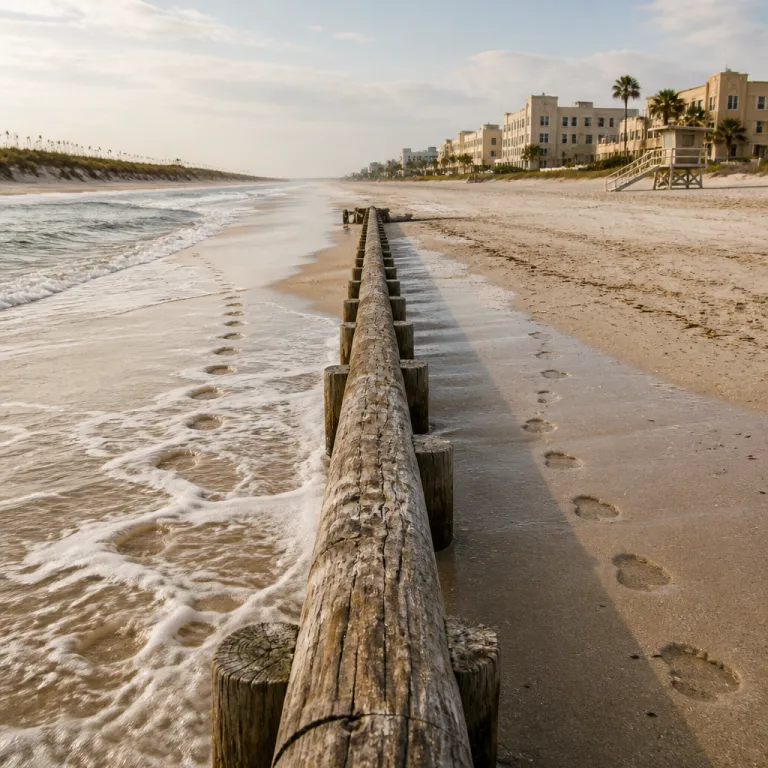
Standing on the sand in North Beach, you feel a slower pace, with locals walking dogs along the beach street and children playing near the park. Move south into Mid-Beach and the shoreline becomes more resort focused, with larger hotels lining the ocean and a continuous paved path that offers a scenic drive alternative for cyclists and joggers. At the southern point, South Beach turns the same strip of sand into a stage, where music from Ocean Drive restaurants drifts across Lummus Park and the beach art of lifeguard towers frames every photo.
For travellers comparing Miami Beach vs South Beach, this gradient from beach north calm to beach south buzz is crucial. North Beach usually suits guests seeking a family-friendly atmosphere, more residential condo buildings, and easier parking on the street, while still staying within the city of Miami Beach. Mid-Beach often attracts couples and groups who want direct ocean access, polished hotels, and quick taxi rides either north to quieter areas or south into the nightlife of South Beach.
On the actual shoreline of South Beach, Lummus Park acts as a green buffer between Ocean Drive and the sand, creating a lively promenade where fitness enthusiasts, skaters, and beach volleyball players share the same area. This park and the adjacent beach Miami stretch can feel crowded during peak day hours, especially near South Pointe and the pier, but the energy is part of the appeal. If you prefer to hear only waves and wind, the longer, less dense sands of Mid-Beach and North Beach will usually offer more space between your towel and the next family.
Architecture, arts culture, and the pull of Ocean Drive
South Beach is globally recognised for its Art Deco architecture, especially along Ocean Drive and Collins Avenue. When you walk this street at night, neon lights trace the curves and lines of pastel façades, turning each hotel into a piece of beach art that reflects the city’s early twentieth-century glamour. The Miami Beach government has protected much of this deco architecture through preservation rules, so the area retains a distinct visual identity compared with the more modern towers in Mid-Beach and North Beach.
In the Miami Beach vs South Beach debate, travellers who care deeply about art and design often choose to sleep within the South Beach district. Here, Art Deco and Streamline Moderne buildings sit beside contemporary arts venues, and the nearby Wynwood and Design District neighbourhoods across the bay extend the arts culture beyond the shoreline. A short drive of around 15 to 20 minutes to downtown Miami connects you with major museums and performance spaces, so a South Beach base can work well for guests who want both beach and urban arts in one trip.
North Beach and Mid-Beach offer a different architectural story, with more recent condo developments and larger resort-style hotels facing the ocean. These areas may lack the dense concentration of Art Deco façades found on Ocean Drive, yet they compensate with wider views, quieter streets, and easier access to parking for day trips into downtown Miami or Wynwood. If you plan to spend most evenings exploring arts culture inland and prefer a calmer coastal point to return to, a hotel in Mid-Beach or North Beach can balance access and serenity.
Where to stay : hotels, condos, and family friendly choices
Choosing between Miami Beach vs South Beach for accommodation starts with your preferred daily rhythm. South Beach hotels along Ocean Drive and Collins Avenue place you steps from restaurants, nightlife, and Lummus Park, which suits travellers who want to walk everywhere and accept late-night street noise as part of the experience. In contrast, many Mid-Beach and North Beach hotels and condo-style properties offer larger rooms, quieter nights, and easier access to parking for day trips.
Families often prioritise a family-friendly environment, and for them the balance between beach access and calm streets matters more than proximity to clubs. Mid-Beach frequently offers that middle point, with oceanfront hotels that provide kids’ pools, direct beach access, and quick taxi rides south to South Beach or north to residential parks. North Beach can work well for longer stays, where condo units with kitchens sit near local supermarkets, and the beach north sands feel more like a neighbourhood park than a party zone.
Travellers focused on arts culture and dining may still prefer to sleep in South Beach, then use ride share services or the local trolley to reach Wynwood, the Design District, or downtown Miami. If you want to compare rates and packages across the entire Miami Beach area, resources such as specialised guides to oceanfront stays can help you book smart, and one example is a detailed overview of Miami Beach vacation packages available at this dedicated booking strategy page. Whether you choose a high-rise condo in Mid-Beach, a classic Art Deco hotel on a South Beach street, or a low-key property in North Beach, always check recent guest reviews for noise levels, beach access, and safety.
South Pointe, parks, and access to Wynwood and the Design District
At the southern tip of South Beach, South Pointe forms a dramatic point where the ocean meets Government Cut, the shipping channel into the Port of Miami. Here, South Pointe Park and the adjacent Pointe Park pier offer landscaped lawns, walking paths, and sweeping views of cruise ships gliding past the beach Miami shoreline. This area feels more relaxed than central Ocean Drive, especially at sunrise and early day hours, making it a favourite for joggers and photographers.
When you compare Miami Beach vs South Beach for access to wider Miami, South Pointe and the MacArthur Causeway provide one of the quickest links to downtown Miami, Wynwood, and the Design District. Guests staying in South Beach can reach these arts culture hubs by car in roughly 10 to 25 minutes depending on traffic, turning a beach day into an evening of galleries, murals, and design showrooms. Travellers based in Mid-Beach or North Beach will usually drive south first, then cross one of the causeways, so journey times can be slightly longer but still manageable for a dinner reservation or a concert.
Families and couples who value green space should look closely at the distribution of parks across the Miami Beach area. Lummus Park in South Beach offers playgrounds and fitness zones beside the sand, while North Shore Open Space Park in North Beach provides a wilder, more shaded environment with fewer restaurants and hotels nearby. South Pointe Park adds a third option at the point of the island, where manicured lawns, a playground, and direct views of the ocean and bay create a versatile setting for picnics, photos, and sunset walks.
Getting around : streets, shopping, and practical planning
Navigating Miami Beach vs South Beach is straightforward once you understand the island’s grid of avenues and streets. Collins Avenue and Ocean Drive run roughly north–south near the ocean, while Washington Avenue and Alton Road sit closer to the bay, giving you multiple options for taxis, buses, or a rental car. Lincoln Road, a famous pedestrian street in South Beach, cuts across this grid and offers a long promenade of shops, restaurants, and cafés.
For many visitors, Lincoln Road becomes the practical and social centre of a South Beach stay, especially if their hotel sits within walking distance. This street offers everything from casual eateries to upscale restaurants, along with pharmacies and supermarkets that make longer stays easier to manage. Guests based in Mid-Beach or North Beach often take a short taxi or bus ride south to spend an evening on Lincoln Road, then return to quieter hotels or condo buildings further up the island.
When planning transport between Miami Beach and mainland Miami, remember that South Beach has the most direct access to downtown Miami via the MacArthur Causeway. The Venetian and Julia Tuttle Causeways connect Mid-Beach and North Beach more directly, which can be useful if your plans include business meetings, arts culture events, or shopping in the Design District. Whatever your base, allow extra time on busy days, as traffic can build on each drive, especially when large events or cruise ship departures coincide with peak beach hours.
Safety, regulations, and local guidance for hotel guests
Safety and local regulations form an important part of the Miami Beach vs South Beach decision, especially for first-time visitors. The Miami Beach Police Department oversees law enforcement across the entire Miami Beach area, including South Beach, with a visible presence along Ocean Drive, Lummus Park, and major intersections. This helps maintain order in busy zones where nightlife, beach activities, and heavy foot traffic converge on the same street grid.
The City of Miami Beach and the Miami Beach Chamber of Commerce work together with hotels, restaurants, and condo associations to balance tourism with residential life. Their efforts include zoning rules that protect Art Deco districts, regulations on outdoor music, and campaigns encouraging respectful behaviour on the beach and in parks. These measures influence how lively certain streets feel at night, which is another reason to read recent guest feedback when comparing South Beach hotels with quieter options in Mid-Beach or North Beach.
Local authorities emphasise that “Is South Beach the same as Miami Beach? No, South Beach is a neighbourhood within Miami Beach.” and “What is South Beach known for? Art Deco architecture, vibrant nightlife, and beautiful beaches.” and “How do I get to South Beach from Miami? Cross the MacArthur, Venetian, or Julia Tuttle Causeways.”. For hotel guests, this means you can confidently choose any point along the island, knowing that transport links, policing, and municipal services operate under one city structure. Whether you stay beside Lummus Park in South Beach, near a family-friendly park in North Beach, or in a Mid-Beach tower facing the ocean, you benefit from the same overarching governance and visitor support.
Key figures for Miami Beach and South Beach
- The city of Miami Beach has around 82,000 residents, which means the permanent population is relatively small compared with the number of visitors during peak holiday periods (source : U.S. Census Bureau, QuickFacts Miami Beach).
- South Beach covers approximately 2.5 square miles at the southern end of Miami Beach, creating a compact area where hotels, restaurants, and nightlife are densely concentrated (source : City of Miami Beach, official city information).
- Miami Beach stretches for more than 11 kilometres along the Atlantic Ocean, giving travellers a long choice of beach north, beach mid, and beach south segments with different atmospheres (source : City of Miami Beach planning data, planning department).
- Visitor numbers to the greater Miami area regularly reach into the tens of millions annually, with Miami Beach and South Beach capturing a significant share thanks to their oceanfront hotels and Art Deco districts (source : Greater Miami Convention & Visitors Bureau, visitor statistics).
FAQ : planning your Miami Beach vs South Beach hotel stay
Is South Beach the same place as Miami Beach for hotel bookings ?
South Beach is part of Miami Beach, not a separate city, so when you book a hotel in South Beach you are booking within the wider Miami Beach municipality. The difference lies in atmosphere, with South Beach offering denser nightlife and Art Deco streets, while Mid-Beach and North Beach feel more residential and relaxed. Always check the neighbourhood name in the hotel address to understand which part of the island you are choosing.
Which area is better for families : South Beach, mid beach, or north beach ?
Families who prioritise quiet nights and a family-friendly environment often prefer Mid-Beach or North Beach, where streets are calmer and parks feel more local. South Beach can still work for families, especially near South Pointe Park or the quieter ends of Lummus Park, but central Ocean Drive may feel intense for young children. Look for hotels that highlight kids’ facilities, direct beach access, and proximity to playgrounds.
How do I travel between Miami Beach, South Beach, and downtown Miami ?
Several causeways link Miami Beach with mainland Miami, including the MacArthur, Venetian, and Julia Tuttle Causeways. South Beach connects most directly to downtown Miami via the MacArthur, while Mid-Beach and North Beach have easier access to the Venetian and Julia Tuttle routes. You can use taxis, ride share services, buses, or rental cars, and many visitors combine a beach stay with day trips to Wynwood and the Design District.
What is South Beach best known for compared with the rest of Miami Beach ?
South Beach is best known for its Art Deco architecture, vibrant nightlife, and lively beach scene along Ocean Drive and Lummus Park. The rest of Miami Beach offers longer stretches of quieter sand, more residential condo towers, and larger resort-style hotels in Mid-Beach and North Beach. Travellers who want constant energy often choose South Beach, while those seeking space and calm lean toward the central and northern sections.
How should I choose between a South Beach hotel and a mid beach or north beach property ?
Start by deciding whether you want to walk out of your hotel directly into nightlife and busy restaurants, which points you toward South Beach. If you prefer a balance of beach access, calmer streets, and easy taxi rides to both South Beach and downtown Miami, Mid-Beach works well, while North Beach suits longer, quieter stays. Compare not only price but also noise levels, room size, and proximity to parks or arts culture venues that matter to you.